Belly fat that shows up — or gets worse — after menopause is one of the most common complaints women bring to their doctors. And it's not just about appearance: understanding why it happens is the first step to addressing it effectively.
Why Fat Shifts to the Belly After Menopause
Before menopause, estrogen tends to direct fat storage toward the hips and thighs (often called a "pear" shape). As estrogen declines during menopause, that pattern shifts — fat storage moves toward the abdomen, a change linked directly to the hormonal transition rather than diet or exercise habits changing.
This abdominal fat is often visceral fat — fat stored around internal organs — which behaves differently than subcutaneous fat and is more metabolically active, which is part of why it can feel so much harder to shift.
Why Willpower Alone Doesn't Fix It
Because this shift is hormonally driven, the same calorie-counting or exercise routine that worked before menopause often produces different (and slower) results afterward. That's not a failure of discipline — it's a different metabolic starting point.
What Can Help
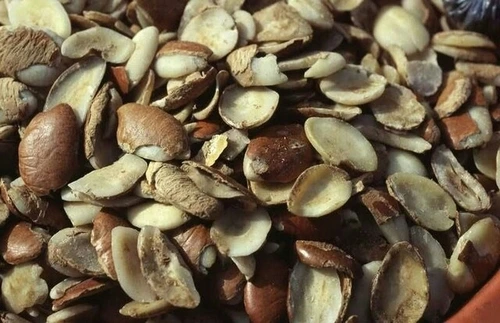
- African Mango Seed Extract — studied for its role in supporting satiety and helping the body manage fat storage
- Coleus Forskohlii — its active compound, forskolin, has been studied for supporting fat breakdown and leaner body composition
- Strength training to preserve muscle mass and support metabolic rate
- Managing stress — chronically elevated cortisol is independently linked to increased abdominal fat storage
- Prioritizing sleep, which affects both cortisol and appetite-regulating hormones
The Bottom Line
Stubborn belly fat after menopause has a real hormonal explanation — and while there's no overnight fix, a combination of strength training, stress and sleep management, and targeted ingredient support can make a meaningful difference over time.
Support Your Body's Natural Fat Metabolism
African Mango Seed, Coleus Forskohlii, and 7 more ingredients — see the full formula.
Explore LipoBlissContinue reading: Menopause weight gain explained and why metabolism slows after 40.
References
- "The efficacy of Irvingia gabonensis supplementation in the management of overweight and obesity: a systematic review of randomized controlled trials." NCBI Bookshelf (DARE). ncbi.nlm.nih.gov/books/NBK132337
- Godard, M.P. et al. "Body composition and hormonal adaptations associated with forskolin consumption in overweight and obese men." PubMed. pubmed.ncbi.nlm.nih.gov/18500958